Wednesday, February 1, 2012


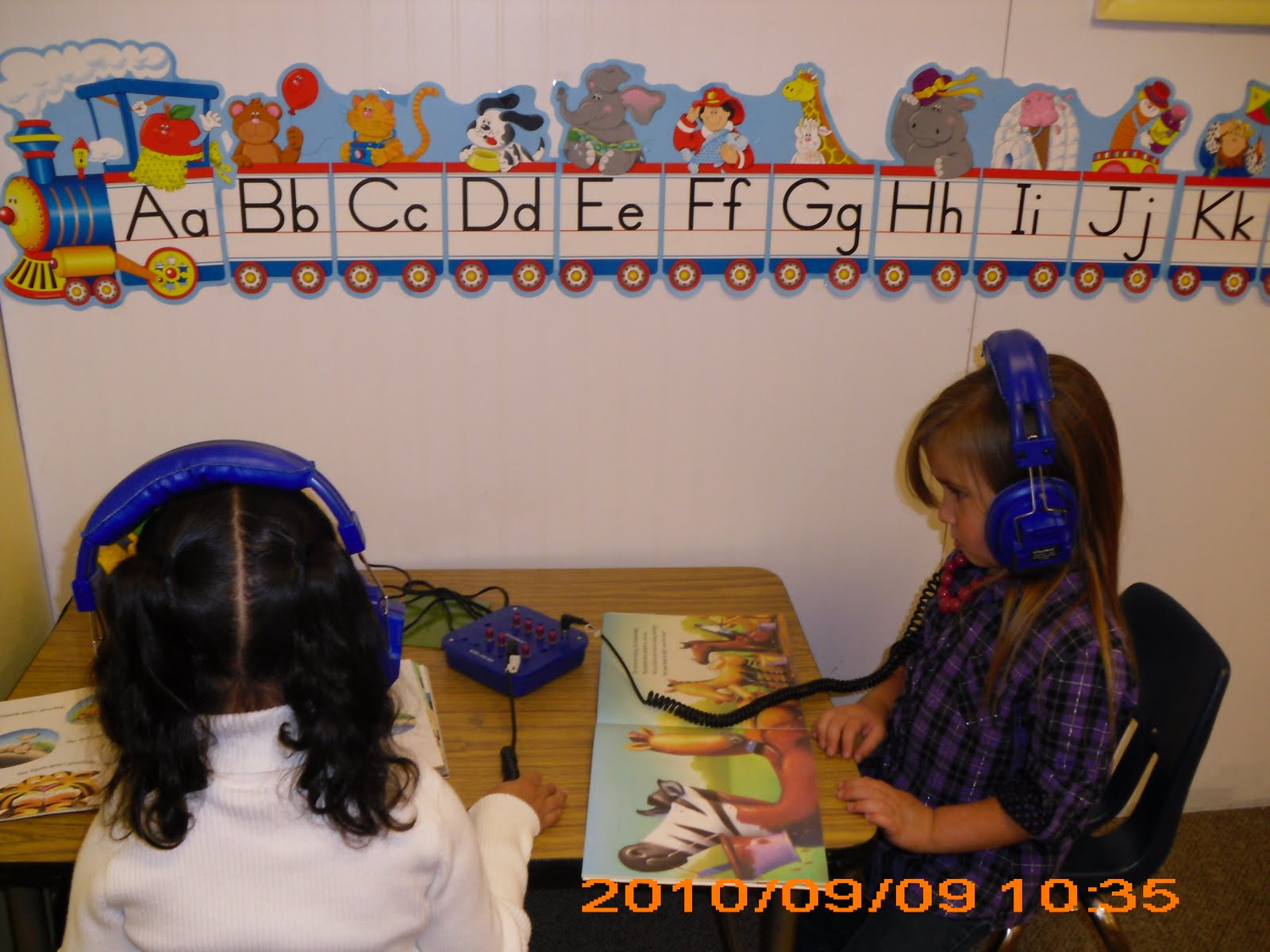
One of my favorite activities at preschool is cooking. Today we read the the story of "The little red hen". Children were so engaged after we sang, and reacted the story. We also made bread, yes! we made bread, the children were able to copy the recipe and helped me add on all of the ingredients. By doing this they were able to recognize quantities, count, follow instructions, wait for their turn, connect preview knowledge with real events. It was a great lesson!! Children loved it!


Wednesday, June 22, 2011

Testimonials

These comments were given to me at the end of the school year at the preschool,I would like to share them with all of you. Thanks
My Happy Preschool was a wonderful experience
for my three oldest children. The environment is
one of love and compassion for learning. I have a
strong desire for my children to learn a second language
and I believe My Happy Preschool provided
the stepping stones for my children in developing a
second language. Ms. Aymee and all those that
work at My Happy Preschool love the children they
are teaching and have a passion for introducing a
new language into children's lives. I loved my experience
at My Happy Preschool as did my children!!
Amanda, Orem Ut

Monday, May 23, 2011


Our new school!! Last April we moved into a new building, the children were so excited. We are still adjusting and getting used to the new space. I am so thankful with the wonderful parents that supported us during this school year, now we are getting ready for our end of school year program and preschool graduation, today I asked my little friends to tell me some of the things they learned in preschool and here are some of their answers: " I learned to write my name" " I learned to be quiet" "I learned to draw monsters" "I learned to be a good friend" " I learned to speak Spanish" I love these kids, now you know why I love my job so much!!

Friday, September 3, 2010

First week of preschool


What can I say? It has been great! Getting to know my new little friends has been awesome, they are so full of energy. I love their smiles and hugs when they come to the classroom . Today we had so much fun singing and learning that it is ok to be different and that we are all special. The kids are doing great at following instructions and getting acquainted with the routine at the preschool. I think this year is going to be very nice!!

Wednesday, August 11, 2010

How important is play in preschool?


Through play, children develop skills they'll use in their school years.

Physical

Both gross and fine motor development occur through play. When kids play outdoors, if they feel comfortable and supported, they'll push themselves to new challenges and build motor skills. Developing fine motor skills, such as handling small objects, is a way for children to practice using their hands and fingers, which in turn builds the strength and coordination critical for writing skills. "When you're a preschooler or toddler, your attention comes out in a different way," explains Pizzolongo. "Your attention works best if your body is involved, as many parts of it as possible. So children learning to play where they're physically engaged with materials and interacting with each other would work best."

Language

Children build language skills through cooperative play. Their success depends on their ability and patience in explaining themselves. Teachers repeat the words children say to help others understand. They also teach words about the objects the kids are interested in handling. Students may talk to themselves while playing side by side with other children and then begin to repeat what they hear or start talking to each other. This develops into back-and-forth communication about play, becoming increasingly sophisticated by age 4. Children will now set rules, have specific roles, express their interests or objections, and chatter about funny situations that occur in the course of play.

Self-concept

Play builds a strong sense of self-confidence. Trying to do a certain trick on a play structure or build with blocks is hard work for a preschooler. Teachers acknowledge these experiences by articulating what they observe and letting the preschooler absorb these accomplishments again. There are also therapeutic benefits to play that help all children. For example, understanding that a parent is going to work and will come back at pick-up time can be reinforced through a play scenario.

Social development

Listening, negotiating, and compromising are challenging for 4- and 5-year-olds. Though children at this age are still egocentric, or unable to think beyond their own needs, working with others helps them develop an awareness of differences in people around them. These experiences in preschool provide a foundation for learning how to solve problems and communicate with peers. Play also helps build positive leadership qualities for children who are naturally inclined to direct but must learn how to control their impulses.

This is how we incorporate play at My Happy Preschool:

  • Dramatic — Fantasy-directed play with dressing up in costumes, assuming roles as characters, using toys to represent characters in stories, creating imaginary settings, and pretending to take on the roles of adults.
  • Manipulative — Holding and handling small toys often used to build objects but also found in puzzles, characters, beads, etc.
  • Physical — Using the whole body in activities with bikes, balls, jump ropes, hoops, play structures, etc.
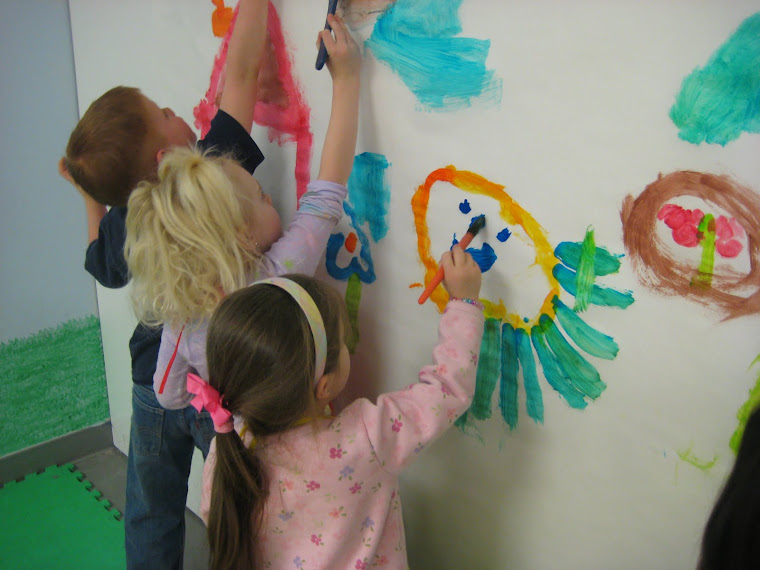
  • Creative — Using art materials such as paint, clay, markers, pencils, glue, etc. The play takes place in the process of using the materials, not in the end product.

Tuesday, July 13, 2010

The benefists of learning a second language at a young age.


Early childhood is the best time for language acquisition. Ease of learning a second language diminishes with age. Between birth and adolescence the brain is hard-wired to acquire language naturally. As a child approaches puberty, the nature of language learning and storage changes, becoming less flexible.

Exposing your child to a second language young allows a child to optimize his or her learning potential, helping to shape the brain at its most flexible stage. Young children are uniquely suited to learning a second language. Learning a second language at a young age is cognitively as easy as learning a first language.

Young children can acquire native-like fluency as easily as they learned to walk. Where adults have to work through an established first-language system, studying explicit grammar rules and practicing rote drills, the young kids learn naturally, absorbing the sounds, structures, intonation patterns and rules of a second language intuitively, as they did their mother tongue. The young brain is inherently flexible, uniquely hard-wired to acquire language naturally.


Monday, July 12, 2010


A very fun theme last year was Happy healthy me week! Children were getting flu shots, eye exams, etc. We decided to helped them to understand what was going on with a Dr. Office dramatic area. We also discusses good nutrition and healthy habits such as washing our hands and exercise. We had so much fun observing these little ones pretending to be doctors, and preparing healthy snacks.